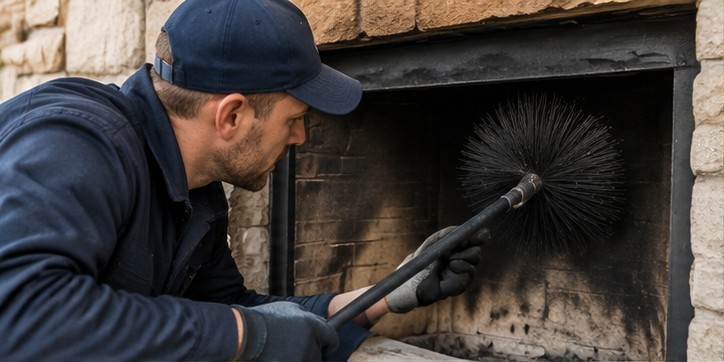
Chimney Sweep
We sweep, camera-inspect and repair — clean and safe.
Get a free estimate →Illustrative image (AI-generated).
We sweep, camera-inspect and repair — clean and safe. Contact Chimney Aid for service availability.
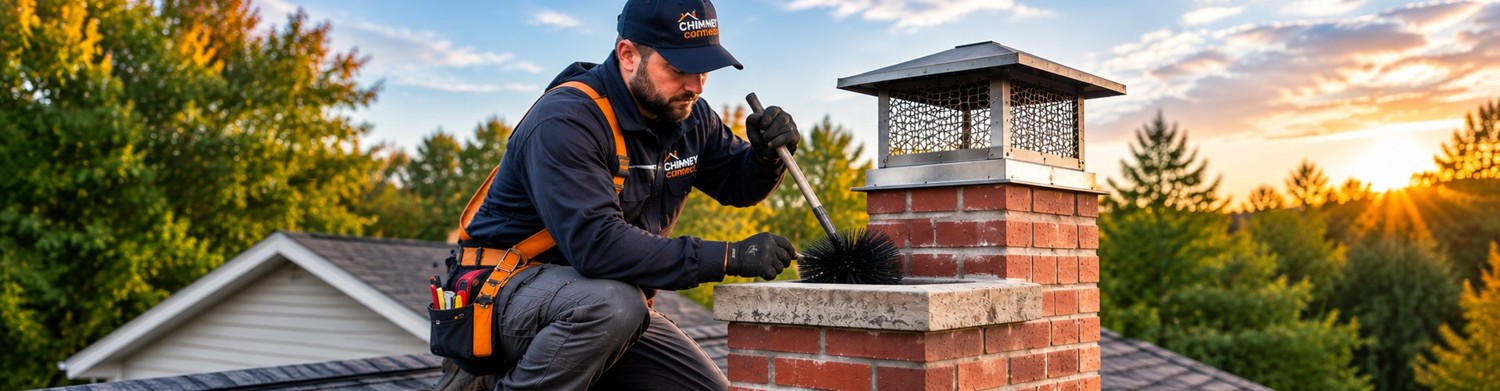 Chimney service
Reference imagery from existing chimney design assets; not a verified Chimney Aid crew.
Chimney sweep, cleaning, inspection and repair — explore the existing service catalog in the menu.
We sweep, camera-inspect and repair — clean and safe.
Get a free estimate →Illustrative image (AI-generated).
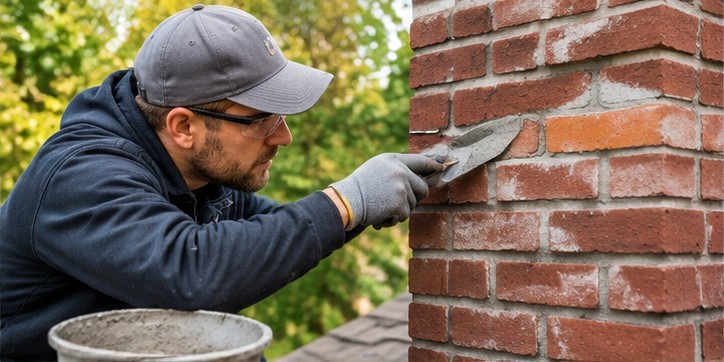
Mortar & brickwork.
Get a free estimate →Illustrative image (AI-generated).
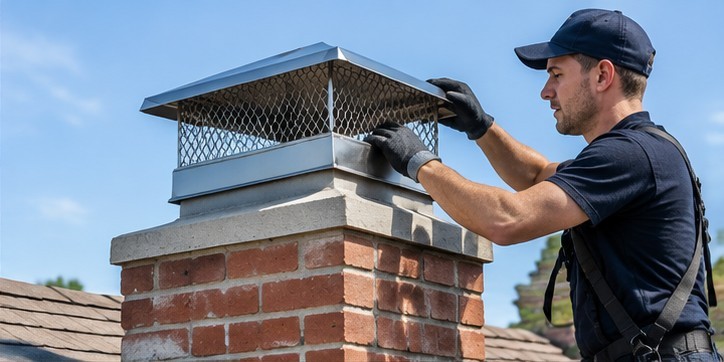
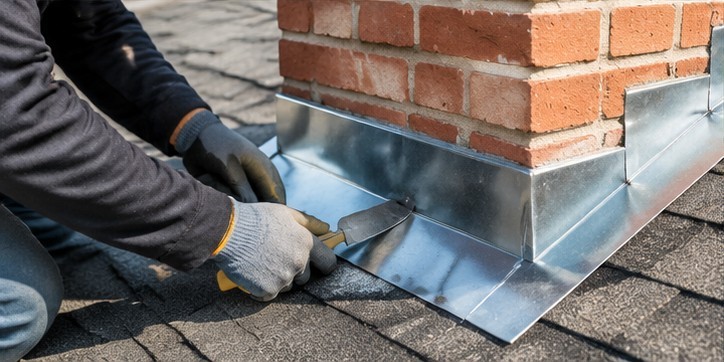
Water in a firebox after rain can enter at the cap, crown, or flashing.
Get a free estimate →Illustrative image (AI-generated).
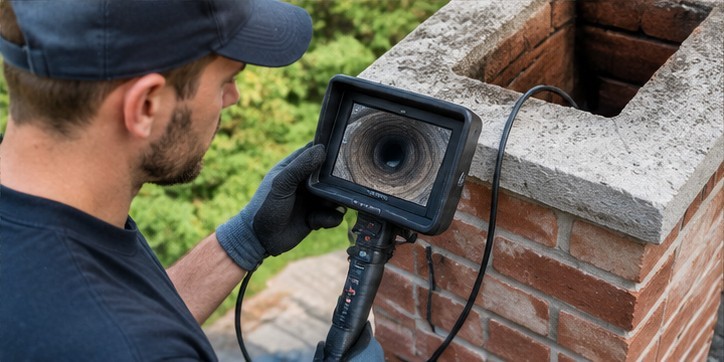
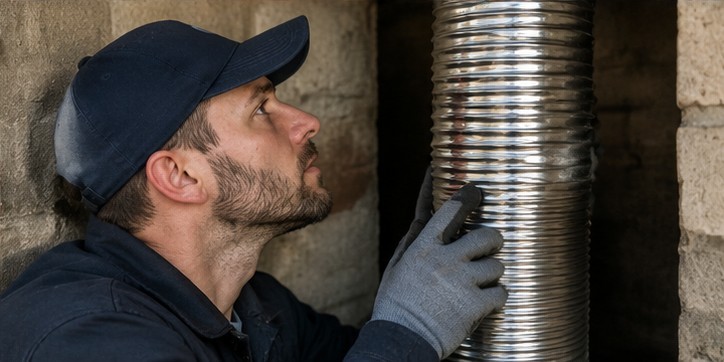
This page gathers the chimney topics that matter - sweeping, inspection, and repair - organized from the hearth upward so each part gets its due. Masonry chimneys age from the top down and the outside in, which is why the crown and the upper mortar joints get attention early. A chimney does two jobs at once: it lets a fire warm the room while carrying smoke and exhaust gases safely up and out of the home.
The parts of a chimney work as one system: firebox, damper, smoke chamber, flue, and the cap at the top each hand the smoke to the next. For a home, the chimney is easy to forget all summer and impossible to ignore the first cold evening, and the work described here is what the season asks of it. The flue inside a chimney is a passage, and like any passage it works only as well as its condition allows - clear, intact, and drawing the way it was built to draw.
Draft is the chimney's quiet measure - when the draw is right, smoke rises and the room stays clear; when it is wrong, the room is the first to know. Nothing about a chimney needs guessing: its condition can be seen, measured, and described, and that description is where every visit starts. Homeowners usually think about their chimney when the weather turns, when smoke behaves oddly, or when a burning smell lingers longer than it should.
Every fire lit leaves something behind in the flue, and what it leaves - soot first, creosote as it builds - is the reason sweeping exists.
Neighbouring entries in the alphabetical list have their own pages built the same way from their own rows. Because the list is the source, the ZIP codes named on the local pages are the approved codes and no others are implied. Each ZIP row on the list, including the row for the city row, points back to the same city entry and the same set of services described on this page.
Each ZIP code recorded on the list identifies a distinct part of its city. The list also reaches many other communities, so the service pattern in any one place is part of a much wider list. The list gives each city a stable identity - city, state, and ZIP list - and its local page is built entirely from that identity plus the approved service material.
The service list records the ZIP codes for every city it carries, and each city appears as an entry in its own right. Each entry sits in its own place in the list, a reminder of how many separate communities it covers. The underlying record is a list row, not an estimate: the city, the state, and the ZIP set are exactly the values the approved list carries.
Other communities on the same list each have their own city and ZIP pages built from the same source data. Across its sections, the list covers cities and ZIP-code entries in every state it reaches, and each city appears in it with its own full set of ZIP codes. Counting only the ZIP rows, each state contributes its own entries to the list, and each city's rows form a small but complete slice of that total.
Every sweep comes with a full check, as described in the archived Chimney Aid design.
Call (888) 248-0311Sweeping also clears the cap: a cap screen matted with creosote and debris chokes the draw at the very top, and it is brushed clear as part of the work. The work ends with the hearth area left clean and the homeowner told plainly what came out of the chimney and what its condition says. Creosote in a flue builds in stages - a flaky, brushable layer first, and a harder, tarry glaze when fires burn low and slow - and the stage found decides how the cleaning proceeds.
A chimney that is swept before the burning season starts the season with a clear passage, instead of asking the first fires to push past a year's deposits. After sweeping, the flue can be read honestly: a camera run or a light shows cracks, gaps, and buildup that a dirty flue hides completely. The smoke test after cleaning closes the loop: a fire is lit or smoke is introduced, and the draw is watched to confirm the chimney carries it away the way it should.
A sweep covers more than the flue itself: the smoke chamber above the damper and the firebox below it collect their own deposits, and both are cleaned as part of the same visit. The damper in a chimney sits at the top of the firebox, and sweeping clears the shelf behind it where soot and debris settle out of the airstream. How much a flue has built up depends on use - nightly fires, occasional weekends, and the wood burned all leave different amounts behind - and the sweep reports what was actually found.
Cleaning is the natural partner of inspection, because the condition of the liner and joints means the most when the surfaces are clean enough to see. For homes where the chimney serves more than one flue, each flue is swept and reported on its own record, not averaged into one. Ash and soot removed during a sweep are contained as the work goes, because cleaning a chimney should never mean spreading its contents through the room.
Brushes and rods are matched to the flue - clay tile, metal, and masonry flues each take their own tools - because the wrong brush trades a dirty flue for a damaged one. A flue serving a wood stove insert is swept on the same principle, with the connection at the stove checked as part of the visit.
Water in a firebox after rain usually enters at the top - cap, crown, or flashing - and the repair follows the water's path rather than treating the puddle. Flashing seals the joint where the chimney meets the roof, and a leak at that joint is traced and resealed rather than blamed on the roof or the chimney by guess. Repair begins with identifying the part at fault, because smoke in the room, water in the firebox, and a weak draw can each trace to a different part of the chimney.
A damper in a home that no longer seals - warped, rusted, or stuck - lets heated room air escape up the flue all winter, and replacing or repairing it restores the seal. The crown at the top of a chimney sheds water off the stack; a cracked crown lets water into the masonry, and crown repair seals the top before the damage travels down. Flue liner defects - cracked tiles, gaps at the joints, spalling surfaces - are found by camera, and the repair options are described from what the camera actually shows.
A chimney that leans or shows stepped cracks through the bricks is showing a structural picture, and the conversation turns honestly to rebuilding the failed section. A repair visit records what was found with enough specificity that the homeowner can decide between repair now and monitoring the part. The repair ends with the chimney tested in operation - the draw checked and, where the work calls for it, a smoke test - so the fix is proven rather than assumed.
Mortar joints in a chimney soften and recede as they age, and tuckpointing - removing the failed mortar and packing fresh joints - restores the wall the weather has been entering. Repair does not mean rebuilding by default; most visits resolve into one named part - a damper, a cap, a crown, a run of joints - restored to working order. Where masonry has failed beyond joint repair, the affected section is rebuilt course by course, and the scope is described in those terms before any commitment is made.
A cap keeps rain, birds, and debris out of the flue, and a missing or damaged cap is one of the simplest defects to name and to put right. Cracked firebox masonry in a home is a safety question before it is an appearance question, and the firebox panels or brickwork are repaired so heat stays where it belongs.
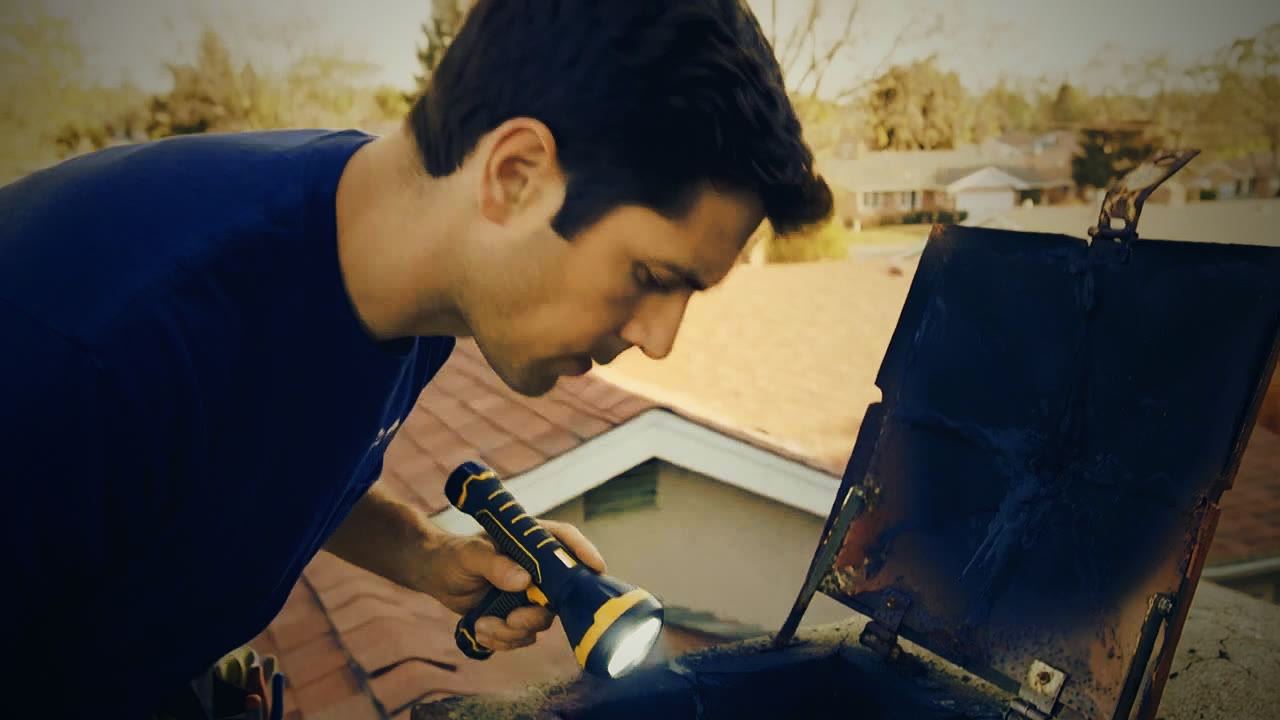
Watch: from arrival to a clean flue.
Cleaning and inspection inform each other: the flue is read before service and again after, when its surfaces can be judged fairly. The sweep follows the inspection, so the cleaning is done with knowledge of the flue's condition rather than in ignorance of it. The visit ends with the damper left in the position agreed and the homeowner told what to watch for in the first fires that follow.
During a visit, the hearth and the room around it are protected before tools come out, and the work area is left clean when the work is done. If repair is needed, the specific part, its condition, and the proposed work are identified before any commitment is made. Findings are described in plain terms at the time they are found, not translated into jargon at the end of the visit.
When both sweeping and repair are needed, the inspection and cleaning usually come first so the repair assessment is made on a chimney that can be seen clearly. Photographs from the camera inspection help the conversation, because a cracked flue tile or a gap at a joint is easier to discuss when it can be seen. A homeowner can ask for free estimates before deciding how to proceed with any repair or larger work an inspection identifies.
A visit starts with questions: what the homeowner has noticed, when the smoke behaviour changed, and how the fireplace has been used season to season. Scheduling starts with a phone call, and the number on this page, (888) 248-0311, is the number to use.
A fire that has become hard to light, or that burns lazily despite dry wood, is often describing a restricted flue rather than a fuel problem. White, chalky staining spreading across the brickwork of a chimney means water is travelling through the masonry and leaving salts behind. Water in the firebox or rust streaks on the damper of a home point to the top of the chimney first: cap, crown, or flashing letting the weather in.
Crumbling mortar you can rake out of the joints of a chimney with a fingertip is a joint that has stopped protecting the stack. Smoke stains on the underside of the cap or a cap screen dark with glaze show creosote reaching the very top of the system. Animals or birds heard in a chimney - scratching, chirping, fluttering - mean the cap has failed at its simplest job, and nesting material in a flue is a blockage as well as a nuisance.
A damper that will not open fully, will not close, or rains rust flakes when it moves is naming its own condition. Black staining on the wall or ceiling above the fireplace opening records smoke spilling where it should not, fire after fire. Smoke entering the room when a fire is lit is the clearest sign the draw is wrong - from buildup, a blockage, or a flue problem the inspection separates.
Pieces of clay tile in the firebox of a home come from only one place - the flue liner above - and they are a sign to have the liner looked at before the next fire. A strong campfire smell in a home on humid days, with no fire lit, usually means deposits in the flue are breathing back down into the house.
Burning dry, seasoned wood is the single habit that slows creosote most - wet wood burns cooler and smokier, and the flue collects the difference. If a home has more than one flue in a single stack, each flue keeps its own condition and its own record, even when they share a chimney. The crown and the top joints of a chimney are worth a look whenever other roof work is done, because the top of the stack weathers faster than any other part.
A chimney that sits unused for a long stretch still deserves a periodic look, because caps fail, animals move in, and mortar ages whether or not fires are lit. Homeowners who notice a change after a storm - a shifted cap, debris at the base of the stack, a new leak stain - are seeing the most common maintenance trigger there is. Keeping the area in front of the hearth clear and the screen or doors in working order is the homeowner's part of fire care between visits.
The cap on a chimney deserves an occasional look from the ground: a cap that has shifted, tilted, or vanished is visible long before its absence causes trouble. Between visits, a homeowner can keep the ash bed sensible: a shallow layer insulates the firebox floor, while ash built to the grate belongs in a metal container outdoors. A written note of what was found at each visit gives a household a history, and histories make later decisions easier.
The shoulder seasons are the natural maintenance windows: the chimney is idle, and findings can be addressed before the first cold evening makes them urgent. The damper should be closed when the fireplace is idle through the warm months, which keeps conditioned air, odours, and visitors from travelling the flue.
We are a 5-star review company.
The sweep was thorough, and the camera inspection found a cracked liner we did not know about. Everything was explained clearly before any work was done.
Our chimney was smoking into the room. They cleaned the flue, checked the cap and crown, and the fireplace draws perfectly now.
Fast scheduling, the technician arrived on time, and the hearth was left cleaner than he found it. Highly recommended.
Access is worth thinking about: the hearth and the room around it, the roof, and the state of the stack where the work will happen. Owners who burn nightly plan differently from occasional users, and saying so shapes sensible recommendations. Planning chimney work starts with deciding whether the need is cleaning, repair, or information - and an inspection answers that honestly.
A homeowner weighing repair options can ask for free estimates and compare the scope of work each one describes. Timing work before the heavy burning season avoids the rush and lets any larger job be scheduled calmly. For a home with more than one fireplace or stove on one stack, each flue has its own run and its own condition, so each is assessed on its own record.
A larger repair, like liner work or a partial rebuild, is planned from the camera record, so the scope describes the flue as it is rather than as it is guessed to be. Questions prepared in advance - what was found, what it affects, what happens if it waits - make a visit more useful. If a chimney is part of a home sale, its documented condition becomes part of the transaction, and a clear report serves both sides.
Budget conversations stay grounded when they are tied to named parts and named conditions rather than general impressions.
Some visits are sweeping visits that end with a repair recommendation, and that sequence is normal rather than a sales pattern. All of the services are described on this page because they are recorded in the same list entry. Chimney Cap Installation deals with its own part of the system, while Chimney Cap Repair deals with another, and confusing the two leads to the wrong scope.
A chimney may need only a sweep in one year and a defined repair in another, and the inspection is what separates the two. The practical difference is scope: a sweep is measured in what came out of the flue, a repair in a named part restored. Caps, crowns, flashing, and liners each belong to their own service entries, because each part fails in its own way and is put right in its own way.
Sweeping and repair answer different questions: sweeping asks what has accumulated, repair asks what has worn, cracked, or stopped doing its job. A homeowner choosing between services can start from the symptom - smoke and smell suggest the flue and its deposits, while water and crumbling joints suggest the masonry and the top.
Owners ask what records they should keep, and the answer is the visit summary itself, filed with the home's other service records. A common question is whether a cap is really necessary, and the answer is what the cap keeps out: rain that rusts and rots, animals that nest, and debris that blocks. Homeowners ask how long a visit takes, and the truthful answer is that it depends on access, buildup, and what the inspection finds.
Homeowners often ask how often a chimney should be swept, and the honest answer depends on how much wood is burned and how the flue has been building up between visits. Another question concerns cost, and the standing answer is that free estimates are offered so the scope is described from findings, not from a phone guess. Another question is whether the fireplace can be used before a known defect is repaired, and the answer depends on which part is defective - a cap and a cracked liner are very different cases.
Owners ask why smoke comes into the room only on windy days, which usually points to the top of the stack - its height, its cap, and the air moving over it. The difference between a sweep and an inspection is a fair question: sweeping removes deposits, inspection evaluates condition, and the two are usually combined in one visit.
Check availability for your city or ZIP code.
Nothing on this page goes beyond the approved list and the approved service material, and that restraint is deliberate. To ask about an appointment, call (888) 248-0311 and describe what you have noticed; that description is where every good visit starts. The facts on this page are stated exactly as recorded.
We are local and we provide grade a cleaning and repair services - that is the whole of the promise, stated plainly. A chimney that is inspected, swept, and repaired on evidence rather than habit will draw the way it was built to, season after season. Other readers will find the same structure on the pages for their own cities, with their own local facts in place of the general material given here.
Chimney Cap Installation covers its own part of the chimney system, checked against the condition found on the visit and described in plain terms before any work is scheduled.
Chimney Sweep is the right topic when deposits have built up in the flue - the sweep clears soot and creosote from the firebox to the cap and finishes with a smoke test so the draw is proven.
Call (888) 248-0311 and describe what you have noticed with your chimney - smoke behaviour, odours, staining, water in the firebox, or a part that has stopped working.
Enter your ZIP code to see your local page.
Yes, free estimates are offered before any work is scheduled.
Yes, the inspection is free, and its findings are described in plain terms before any work is decided.
Tell us about your chimney service request using the estimate form. This is a design preview.